Maximizing Property Value with Accessory Dwelling Units
If you own a home in Portland, you have likely noticed the shifting housing landscape. As families grow, demographics shift, and the desire for flexible living spaces increases, many homeowners are looking right in their own backyards for solutions. Accessory Dwelling Units, commonly known as ADUs, have surged in popularity as a highly effective way to maximize property value while addressing a variety of lifestyle needs.
Whether you are considering a detached guest house, a garage conversion, or a basement apartment, building an ADU is a significant investment that requires careful planning, a deep understanding of local regulations, and high-quality craftsmanship. In this guide, we will explore the benefits of adding an ADU to your property, what to expect during the design and construction phases, and how to navigate the unique challenges of building in our coastal climate.
The Benefits of Building an ADU
The benefits of building an ADU extend far beyond simply adding square footage to your property. For many homeowners, an ADU provides a flexible space that can adapt to changing family dynamics over time. One of the most common motivations is creating a comfortable, independent living space for aging parents. By incorporating thoughtful accessibility renovations into the design, you can ensure the space is safe and functional for multi-generational living, allowing loved ones to age in place gracefully.
Additionally, an ADU can serve as a dedicated home office, a creative studio, or a private space for returning adult children. From a financial perspective, a well-designed ADU can significantly increase your property's overall market value. While detached guest house construction costs require an upfront investment, the long-term equity gained—and the potential for the space to serve multiple purposes over decades—makes it a highly attractive option for established homeowners looking to make the most of their current property.
Navigating Accessory Dwelling Unit Zoning Requirements
One of the most daunting aspects of any major property addition is the permitting process. Understanding accessory dwelling unit zoning requirements is critical before breaking ground. Local zoning ordinances dictate everything from the maximum allowable square footage of the unit to setback requirements from your property lines.
If your home is located On the Peninsula or in historic neighborhoods like Munjoy Hill, the process involves additional layers of compliance. Projects in these areas often require review by the Historic Preservation Board to ensure that any new structures or exterior modifications align with the neighborhood's architectural heritage. Navigating these strict historic preservation guidelines and local zoning ordinances can be complex and time-consuming. Partnering with a contractor who has deep experience managing the local permitting process ensures that your project moves forward smoothly, avoiding costly delays and ensuring full regulatory compliance from day one.
ADU Design for Small Lots and Maine Winters
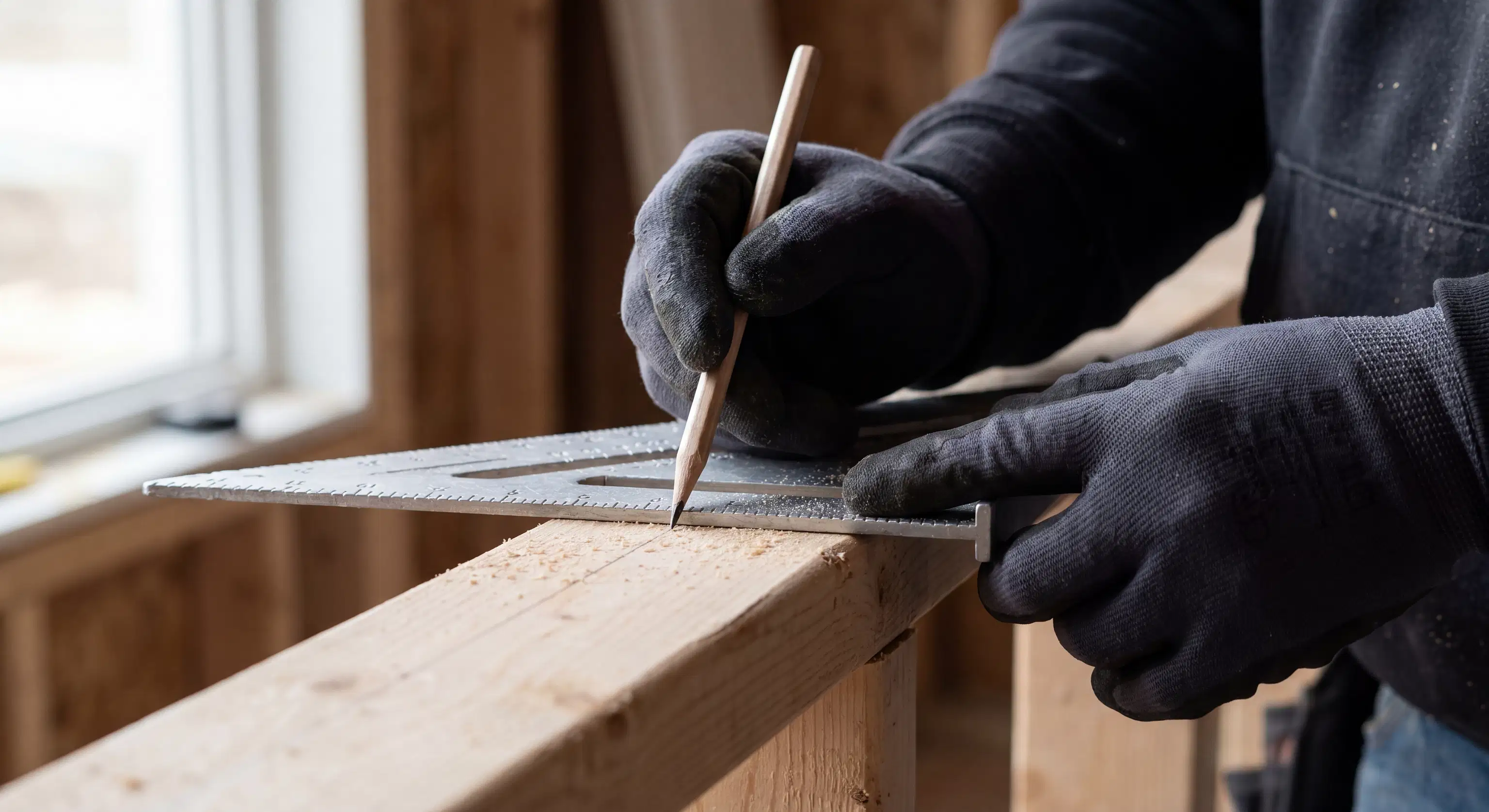
Creating a functional and beautiful living space within a limited footprint requires strategic planning. ADU design for small lots often involves clever architectural solutions, such as vaulted ceilings to create a sense of volume, strategically placed windows for natural light, and built-in storage to maximize usable floor space. The structural integrity of these buildings begins with expert framing, ensuring the skeleton of the ADU is built to last.
Beyond spatial design, any structure built in our region must be engineered to withstand harsh weather conditions. Proper weatherization is non-negotiable. This means integrating high-quality insulation, energy-efficient windows, and modern heating solutions like heat pumps. Designing an ADU that meets high energy efficiency standards not only keeps the space comfortable during freezing temperatures but also minimizes long-term energy costs. Whether you are modifying an existing classic New Englander or starting from scratch with custom home building techniques for a detached unit, prioritizing climate-resilient materials and energy-efficient systems is essential.
The Equilibrium Builders Approach
We understand that a major construction project can feel disruptive, which is why we prioritize clear, consistent communication and transparent pricing. Rapidly fluctuating material prices can make budgeting stressful, so we provide detailed estimates and maintain open-book communication throughout the project. You will always know where your project stands, with regular updates provided through your preferred channels—whether that is a phone call, an email, or a face-to-face meeting on-site.
Delivering this level of quality and reliability requires an exceptional team. We foster a strong, employee-centric culture that attracts and retains highly skilled tradespeople. By investing in our crew and ensuring they have the best tools and support, we guarantee that the craftsmanship on your property meets the highest standards.
If you are ready to explore how an ADU can enhance your property value and lifestyle in the Casco Bay area, we are here to help. From comprehensive home renovations to custom additions, our team has the expertise to bring your vision to life. Reach out to us through our contact page to start the conversation about your next project.